

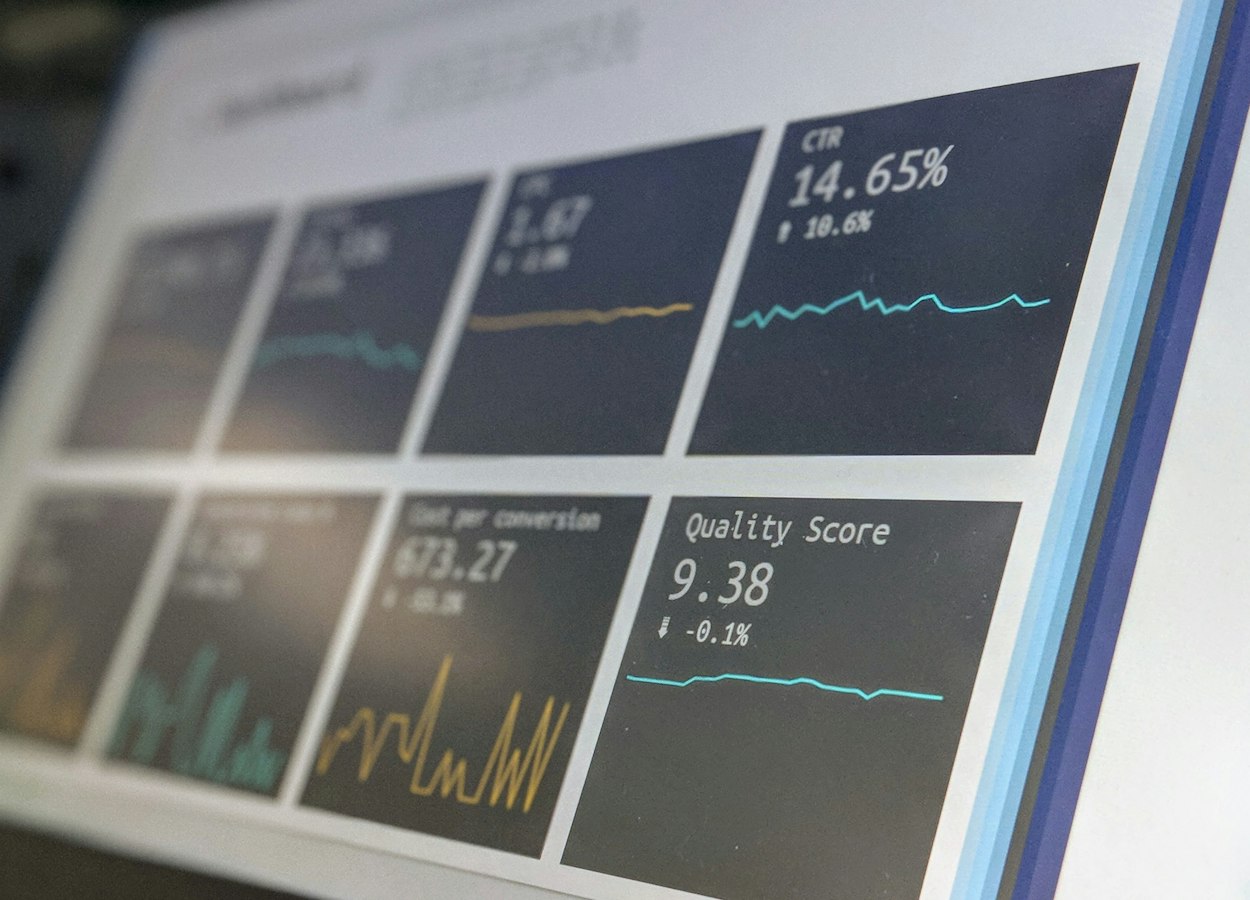
Most executive dashboards fail for a boring reason: they display plenty of numbers but do not answer the question behind the meeting. Are we making money on the work we are doing? Will cash get tight? What is about to slip? The six Odoo reports executives actually use are not the prettiest charts in the system. They are the reports that let someone make a decision before a small operational problem becomes a month-end explanation.
Odoo can produce an impressive amount of reporting. That is not automatically useful. If products are categorized poorly, time is not logged consistently, invoices are posted late, or sales stages mean different things to different reps, a dashboard simply presents bad inputs in a cleaner font.
The goal is a short executive reporting pack with consistent definitions, an assigned owner for the underlying data, and a review rhythm. Six reports are usually enough to run the conversation. The exact filters will vary by business, but the questions should not.
The Six Odoo Reports Executives Actually Use
1. Profit and loss by period, with budget or prior-period comparison
The standard profit and loss is still the first report executives need. Not because it is exciting, but because it establishes whether the business model is behaving as expected. A current-month P&L without comparison is a weather report with no sense of season.
Set it up to show the current period against budget, the same period last year, or both. Use a year-to-date view alongside the monthly view. For a professional services firm, that may reveal payroll rising faster than recognized revenue. For an e-commerce business, it may show shipping, returns, or advertising costs taking a larger bite out of gross margin than anyone expected.
The tradeoff is timing. A P&L is only credible if bills, payroll entries, inventory costs, and revenue recognition are posted in the right period. Closing the books quickly is useful. Closing them quickly with major holes is theater.
2. Cash flow forecast and cash position
Profit does not pay payroll. Cash does.
Executives should see the current bank position, expected receivables, planned payables, recurring obligations, and known large expenses over a forward-looking window. In Odoo, that often means combining bank data with open customer invoices, vendor bills, and expected payment dates. The report does not need false precision. It needs to show when the business may need to collect faster, defer discretionary spending, or arrange financing before the problem becomes urgent.
A forecast can mislead if expected payment dates are wishful thinking. A $75,000 invoice that is technically due Friday but normally pays 30 days late should not be treated like Friday cash. Mature reporting uses customer payment behavior, disputed invoices, and collection notes to adjust the picture.
3. Accounts receivable aging, with collection ownership
An aging report is not just an accounting report. It is a management report about whether the company is allowing customers to use it as a bank.
The useful version groups receivables by aging bucket and then adds enough context to act: customer, account owner, invoice amount, dispute status, promised payment date, and next collection action. Executives do not need a 14-page invoice dump. They need to see concentration risk and the handful of balances that could affect cash planning. If nobody on your team has the time to own this, our Odoo support services cover it as ongoing work.
Watch the habit of excluding overdue invoices because someone says, “They always pay.” That may be true right up until it is not. Long-standing relationships deserve context, not a permanent exemption from visibility.
4. Sales pipeline, forecast, and stage aging
The sales pipeline answers a different question than the P&L: what revenue might arrive, and how much confidence should we place in it?
A usable Odoo CRM report shows opportunity value by expected close date, weighted forecast, stage, owner, and age in stage. The age matters. A large opportunity sitting in “proposal sent” for 90 days is not pipeline strength. It is a follow-up problem, a stalled deal, or a forecast that should be cleaned up.
For businesses with longer sales cycles, review pipeline movement rather than staring only at the total. Did opportunities advance, shrink, or slip? For a manufacturer, that may include quote turnaround and the margin on quoted work. For a SaaS or services firm, it may include renewal risk and expected contract start dates. The report should reflect how revenue is actually won, not how the CRM demo modeled it.
5. Inventory valuation, stock coverage, and exceptions
Inventory reporting becomes executive reporting when it connects working capital to customer commitments. It is not enough to know how much stock is on hand. The business needs to know what that stock is worth, what will run out, what is not moving, and what is already committed to orders.
In Odoo, pair inventory valuation with forecasted stock, replenishment exceptions, and inventory aging where the business needs it. An e-commerce operator may focus on stockouts for high-velocity products and slow-moving items tying up cash. A manufacturer may focus on components that could delay a production order or finished goods accumulating without demand.
There is a real setup requirement here. Units of measure, routes, lead times, reorder rules, landed costs, and product categories cannot be treated as clerical details. They determine whether the report describes the warehouse or tells a pleasant story about it.
6. Margin by customer, product, project, or production order
Revenue is flattering. Margin is more useful.
The right margin report depends on the operating model. A services company may need profitability by project and customer, including labor cost and subcontractors. A manufacturer may need planned versus actual costs by production order, including material consumption and labor. An e-commerce company may need margin by product category after discounts, fulfillment, returns, and shipping costs.
This report is where weak operational definitions show up fast. If employees do not log time, project margin is incomplete. If bills are not linked to the appropriate project or analytic account, customer profitability becomes a guess. If inventory costs are misconfigured, product margin can look healthy while cash quietly disappears into purchasing mistakes.
That is not an argument against the report. It is an argument for treating reporting as an operating discipline. The gaps tell you where the system is not yet representing the business accurately.
Make the Report Pack Usable, Not Decorative
An executive report pack should fit the cadence of the business. Monthly is common for financial review, while cash, receivables, sales movement, and stock exceptions often deserve a weekly look. A board may need trend lines and material risks. An operations leader may need the same numbers with more detail and named follow-up actions.
Avoid a dashboard that tries to satisfy everyone at once. The CEO needs decision-grade visibility. The controller needs traceability to the ledger. Sales leadership needs pipeline accountability. Warehouse and production teams need actionable exceptions. Odoo can present each view without pretending each audience is asking the same question.
Set a reporting cutoff and keep it consistent. Define what counts as booked revenue, when an opportunity is considered likely, which costs belong in margin, and who resolves stale records. Then document those definitions. A report should survive the vacation of the person who built it.
Custom reporting is warranted when standard Odoo views cannot reflect a legitimate business rule, such as blended project delivery, complex order fulfillment, or data spread across an external system. But custom work should follow a defined management question. Building a dashboard because the available charts look underwhelming is how companies end up maintaining expensive wallpaper.
The Conversation Matters More Than the Chart
A good executive review ends with owners and dates, not admiration for the dashboard. Which receivable needs escalation? Which deal should leave the forecast? Which product needs a purchasing decision? Which project is consuming more cost than it should?
If Odoo is becoming the operational record for your business, treat its reporting the same way you treat the system itself: managed, reviewed, and tied to real decisions. The useful report is the one that makes the next uncomfortable conversation happen early enough to matter.
Related Odoo services
Ready to get Odoo working for your business?
Start with the free Odoo Assessment: a first conversation, then a written Preliminary Scope within 5 business days. Not sure Odoo fits yet? The Odoo Score tells you in under 3 minutes.